
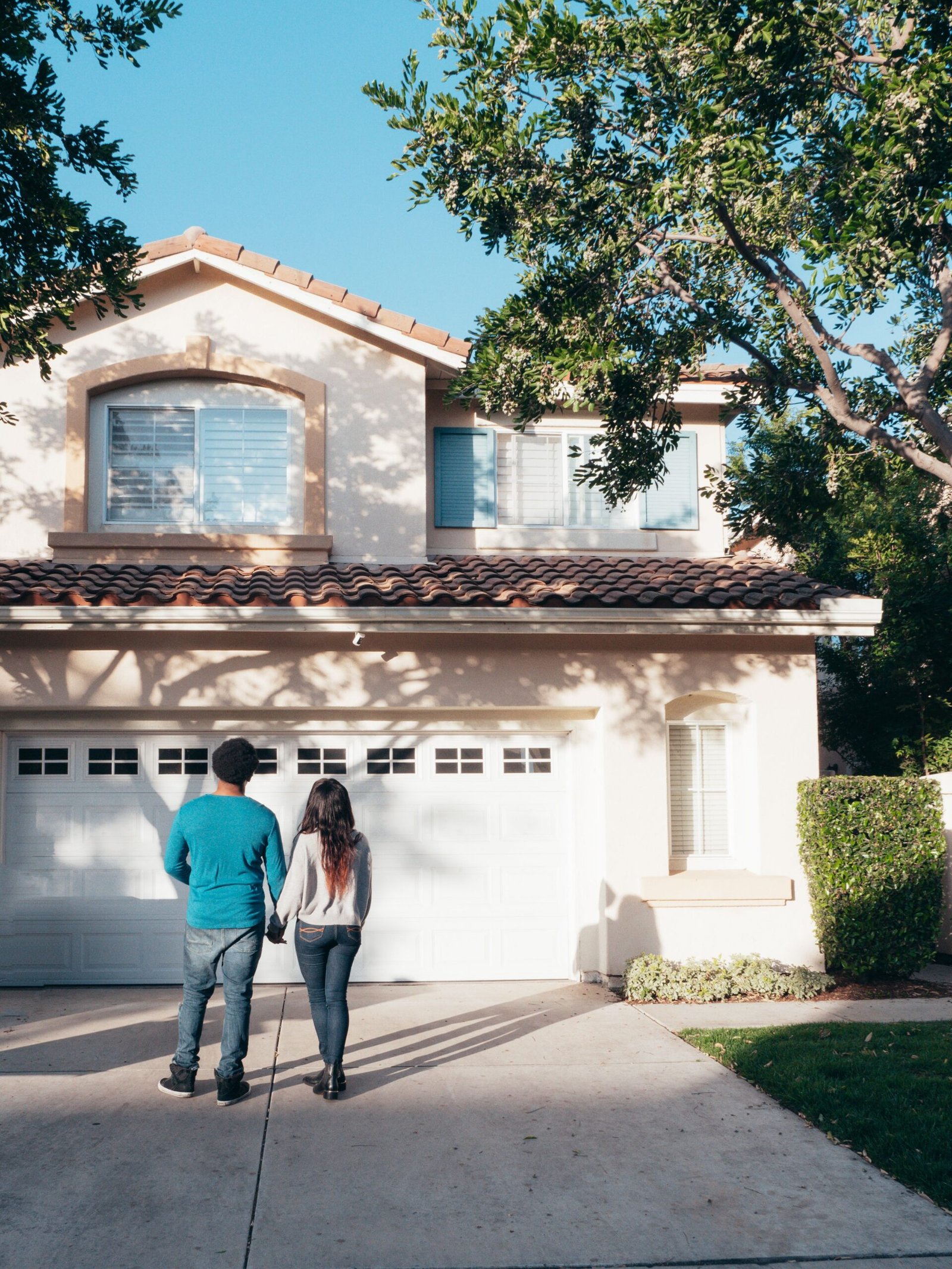
Buying a desert home is easy to romanticize: winter sunshine, mountain views, golf in the morning, dinner near El Paseo, and a private pool waiting when you arrive. But buying a second home in Palm Desert, CA is also an ownership decision that deserves careful planning around community rules, carrying costs, summer maintenance, financing, and how often you actually expect to use the property.
Palm Desert is especially relevant to seasonal buyers. The City reports roughly 53,087 permanent residents and 32,000 seasonal residents, along with about 350 days of sunshine per year. That large seasonal population helps explain why the city has such a deep selection of private clubs, gated neighborhoods, condos, lock-and-leave homes, and larger estates designed around part-time desert living.
For buyers beginning their search, reviewing current Palm Desert luxury homes can help establish what different budgets buy before narrowing the search to a specific neighborhood or club.
This guide covers the 2026 market, second-home communities, property types, schools, HOA and club considerations, financing, taxes, desert maintenance, rental rules, and the due diligence that matters before you make an offer.
Why Palm Desert Works for Second-Home and Seasonal Owners
Palm Desert has something many resort markets lack: second-home ownership is already woven into the way the city functions. The seasonal population is equivalent to more than half of the permanent population, so services, recreation, golf communities, restaurants, and residential options have developed around people who may spend only part of the year in the desert.
That makes second homes in Palm Desert, CA attractive to several types of buyers. Some want a winter residence for three to six months. Others are purchasing ahead of retirement, want a place for family vacations, or prefer a private-club property that can serve as a social base whenever they are in the Coachella Valley.
Key benefits include:
- A large established seasonal-resident community
- Golf, tennis, pickleball, fitness, dining, and club-oriented lifestyles
- Condos and HOA-maintained homes for easier lock-and-leave ownership
- Detached homes and estates with pools, privacy, and mountain views
- Both golf and non-golf neighborhoods
- Housing choices ranging from mid-market resort condos to multimillion-dollar custom residences
The strongest choice is not necessarily the largest home. For seasonal owners, a slightly smaller property with the right HOA services, security, orientation, pool arrangement, and proximity to the activities they actually use may be far easier to own.
That is why lifestyle should be decided before square footage.
Palm Desert Second-Home Market Snapshot for 2026
Palm Desert is not a single-price market. Citywide numbers are useful for context, but luxury estates, south Palm Desert neighborhoods, and private golf communities can trade at very different levels.
Realtor.com reported a $540,000 median listing price for Palm Desert based on data through August 2026. Redfin reported a $555,133 median sale price over the three months ending August 2026, down 3.5% year over year, with homes taking about 105 days to sell.
That citywide median should not be interpreted as the price of a typical luxury second home. For comparison, August/September 2026 neighborhood data showed:
| Palm Desert Area | 2026 Median Listing Price | Property Types / Positioning |
| Indian Ridge Country Club | $1,199,000 | Golf-oriented residences; single-family and attached options |
| South Palm Desert | $835,000 | Detached homes, remodeled residences, condos/townhomes |
| The Lakes | about 643,000–660,000 | Condominium community |
| Ironwood Country Club | about $598,000 | Condos through larger detached/custom residences |
| Palm Valley Country Club | $587,500 | Primarily resort/golf-oriented condo inventory |
Current neighborhood medians are based on Realtor.com’s 2026 market data and can move quickly when only a limited number of homes are listed.
For example, current Palm Valley listings have included properties around $459,000, $575,000, $850,000, and more than $1 million, illustrating how floor plan, renovation level, location within the community, and view can materially change the price even inside one club.
For buyers of luxury second homes in Palm Desert, CA, recent comparable sales within the exact community and property type are generally more useful than the citywide median.
Best Communities and Areas for Second Homes in Palm Desert
The best communities for second homes in Palm Desert depend heavily on how you plan to use the property. A golf-focused seasonal resident may prioritize club access and social programming, while another buyer may prefer a private pool and no mandatory club lifestyle.
Indian Ridge Country Club
Indian Ridge is one of the more substantial private-club options in Palm Desert. The community has 1,068 homes, two 18-hole golf courses, fitness and spa facilities, racquet sports, dining, and two homeowners associations. Realtor.com reported a $1.199 million median listing price in September 2026.
Key benefits:
- Extensive private-club amenities
- Golf-course and mountain-view opportunities
- Strong social infrastructure for seasonal residents
- Multiple home sizes and floor plans
- Gated environment
Property types: Single-family residences plus attached/condominium-style options.
For buyers with children or grandchildren, Ronald Reagan Elementary School is one Palm Desert elementary school associated with the area in current property-search data; buyers should verify enrollment eligibility directly with Desert Sands Unified School District.
Ironwood Country Club and South Palm Desert
Ironwood offers a notably broad property spectrum. Current listings have included condos around the high-$600,000s and $700,000s as well as detached residences above $2 million, while Realtor.com recently showed a neighborhood median listing price of about $597,500.
Nearby South Palm Desert had a $835,000 median listing price in September 2026, with current examples around $799,000 and $1.25 million.
Key benefits:
- Access to south Palm Desert amenities and El Paseo
- Both club and non-club options
- Condos, detached homes, and larger luxury residences
- Mountain-view and private-pool opportunities
- More flexibility for buyers who do not want every aspect of ownership tied to a golf club
George Washington Charter School is located in Palm Desert and appears in current area property data for South Palm Desert and Ironwood. Again, school assignment or admission should be verified directly rather than assumed from a listing.
The Lakes and Palm Valley Country Club
The Lakes can appeal to buyers prioritizing managed surroundings and amenities. The club describes itself as a private gated community with 902 condominium homes, 27 holes of golf, lakes, pools and spas, racquet facilities, and golf- or lake-oriented views. Its 2026 median listing price has been around the mid-$600,000s.
Palm Valley Country Club had a $587,500 median listing price in September 2026, with 28 active listings in Realtor.com’s market dataset.
Key benefits:
- Condominium-style ownership can reduce exterior maintenance
- Gated settings
- Golf and recreation close to home
- Useful options for buyers seeking a smaller second residence
- Resort-style community environment
Buyers specifically comparing private clubs can also explore Palm Desert golf communities before deciding whether golf membership should be central to the purchase.
Choose the Property Around How You Will Actually Use It
Before buying a vacation home in Palm Desert, CA, decide how the home will function during the entire year—not only during the months you plan to be there.
A buyer spending January through April in Palm Desert may have very different needs from someone making six short trips each year. The first might value a full-size kitchen, garage storage, club friendships, and guest bedrooms. The second may benefit more from a condominium where exterior maintenance and common-area care are handled by the association.
Consider these ownership profiles:
- Lock-and-leave buyer: Condo, attached home, or HOA-maintained residence with controlled access.
- Golf-focused seasonal buyer: Private or bundled-club community where golf, dining, fitness, and social events are close to home.
- Privacy-focused buyer: Detached residence or estate with its own pool, landscaping, garage, and mountain views.
- Future retiree: Property capable of becoming a comfortable primary residence later.
- Family vacation buyer: More bedrooms, outdoor entertaining space, pool safety considerations, and convenient guest parking.
- Rental-minded owner: Property where zoning and HOA rules support the intended rental strategy.
For families who care about schools, Palm Desert includes schools such as Ronald Reagan Elementary School, George Washington Charter School, Abraham Lincoln Elementary School, Palm Desert Charter Middle School, and Palm Desert High School. Palm Desert Charter Middle currently operates through an application process rather than a normal attendance boundary, so buyers should verify admission and school assignment before using proximity as a purchasing factor.
HOA Dues, Club Costs, Financing, and Property Taxes
The purchase price is only one part of Palm Desert second home ownership.
In a gated or private-club community, ask separately about HOA dues and club expenses. They are not necessarily the same charge. Buyers should request current budgets, reserve information, CC&Rs, pending assessments, insurance information, maintenance responsibilities, and the current club membership schedule before removing contingencies.
A useful cost checklist includes:
- HOA dues and what they cover
- Club initiation and recurring membership costs
- Special assessments
- Property tax
- Homeowners and earthquake-related insurance options
- Pool and landscape maintenance
- Pest control
- HVAC servicing
- Home-watch or property-management services
- Utilities during months when the home is vacant
For financing, Fannie Mae’s published second-home standards require, among other things, that an eligible second home be a one-unit dwelling suitable for year-round occupancy, be occupied by the borrower for part of the year, remain under the borrower’s exclusive control, and not be a timeshare.
California property taxation is also important when calculating carrying costs. Under Proposition 13, locally assessed real estate is generally taxed at 1% of taxable assessed value plus applicable voter-approved indebtedness, and a change in ownership generally triggers reassessment to current market value. A new buyer may also receive a supplemental assessment after purchase.
Tax circumstances differ, so second-home buyers should review their specific situation with their lender, CPA, and other appropriate advisers.
Plan for Summer Heat and Lock-and-Leave Maintenance
The most overlooked part of owning Palm Desert homes for seasonal residents is what happens when the owner is hundreds or thousands of miles away.
A home that performs beautifully from November through April still has to make it through the hottest months of the year. That means second-home due diligence should pay special attention to HVAC condition, roofing and exterior materials, irrigation, pool systems, water leaks, window exposure, shade, and remote monitoring.
For a lock-and-leave property, consider:
- Smart thermostats with remote alerts
- Automatic water shutoff or leak-detection systems
- Regular HVAC inspections and filter changes
- Scheduled pool maintenance
- Landscape and irrigation monitoring
- Pest-control service
- Security systems and exterior cameras where permitted
- Periodic interior home checks
- Mail and package arrangements
- A local emergency contact
Those features can matter more to a seasonal owner than a decorative upgrade.
HOA-maintained condos may reduce some of the workload, but buyers should confirm exactly where association responsibility ends. Windows, roofs, exterior walls, patios, plumbing, landscaping, HVAC equipment, pools, and insurance responsibilities can differ from one development to another.
This is particularly important when comparing Palm Desert snowbird homes. Two similarly priced properties can have very different annual workloads and ownership costs depending on their HOA structure, age, pool configuration, landscaping, and mechanical systems.
Rental Rules and Due Diligence Before You Buy
Some affluent buyers want a second home primarily for personal use. Others expect rental income to offset some carrying costs. That distinction should be resolved before selecting a property.
Palm Desert currently defines a short-term rental as a residential dwelling rented for 2 to 27 consecutive nights. STR operators need a city permit, and an HOA property requires an annual HOA approval letter where applicable. New off-site STRs are not permitted in R-1 and R-2 zones; other zoning categories have their own requirements, and HOA restrictions can be stricter than city rules.
Never assume that a home marketed as a “vacation property” can legally operate as the type of rental you envision.
Before making an offer, review:
- Current zoning and STR eligibility
- HOA CC&Rs and rental minimums
- HOA financial statements and reserves
- Upcoming assessments
- Club membership requirements
- Property insurance options
- HVAC, roof, pool, irrigation, and solar systems
- Recent comparable sales within the same community
- What furnishings or club memberships transfer with the property
- Estimated annual carrying costs during both occupied and vacant months
The IRS also treats mixed personal and rental use differently depending on how many days the property is rented and personally occupied. Current IRS guidance uses the greater of 14 personal-use days or 10% of fair-rental days when determining whether certain mixed-use vacation homes are treated as homes for federal tax purposes.
If you are moving from research into an actual purchase, Jordan’s guide to buying a home in Palm Desert can help you think through the next steps.
Buying the right second home is ultimately about matching the property to the way you plan to live—not simply finding the most impressive house. If you are comparing private clubs, gated neighborhoods, lock-and-leave condos, pool homes, or larger desert estates, Jordan Rosen can help you evaluate current Palm Desert inventory, recent comparable sales, community costs, and the ownership details that matter while you are away. A conversation before you narrow the search can often save considerable time and help focus your attention on properties that genuinely fit your seasonal lifestyle.
FAQ: Buying a Second Home in Palm Desert, CA
There is no single price that represents every Palm Desert property, and the median is usually more useful than an arithmetic average. Realtor.com reported a citywide median listing price of about $540,000 based on August 2026 data, while Redfin reported a $555,133 median sale price for the three months ending August 2026.Luxury and private-club markets can be substantially higher; Indian Ridge, for example, had a September 2026 median listing price of about $1.199 million.
Palm Desert is structured unusually well for seasonal ownership because part-time residents already form a major part of the local population. The City reports approximately 32,000 seasonal residents in addition to 53,087 permanent residents, and the housing market includes gated clubs, condos, golf communities, detached pool homes, and larger estates.The right choice depends on how much maintenance you want, whether club membership matters, and whether the property will remain vacant for long periods.
Palm Desert schools include Ronald Reagan Elementary School, George Washington Charter School, Abraham Lincoln Elementary School, Palm Desert Charter Middle School, and Palm Desert High School.Buyers looking at areas such as South Palm Desert, Ironwood, Indian Ridge, or 92211 communities should verify the exact school assignment directly with Desert Sands Unified School District before purchasing. Palm Desert Charter Middle also uses an application process rather than a conventional neighborhood attendance boundary.
Possibly, but eligibility depends on the property’s zoning, ownership arrangement, and HOA rules. Palm Desert defines short-term rentals as stays of 2 to 27 consecutive nights and requires operators to obtain a permit; properties in functioning HOAs may also need annual HOA approval. R-1 and R-2 zones generally do not allow new off-site-owner STR permits, so rental eligibility should be verified before—not after—you purchase.
Start with the physical systems that matter most in a desert climate: HVAC, roof, irrigation, pool equipment, windows, exterior finishes, and leak protection. Then review HOA documents, club requirements, insurance availability, special assessments, rental restrictions, and estimated annual maintenance costs. For a home that will sit vacant during summer, remote monitoring and reliable local maintenance arrangements can be as important as the property’s interior finishes.
A condominium or HOA-maintained residence can be easier for a seasonal owner because some exterior landscaping, common areas, security, roofs, pools, or building maintenance may be handled collectively. Exactly what the association covers varies significantly, so buyers should read the governing documents and current budget rather than assuming “HOA” automatically means low maintenance. Communities such as The Lakes are entirely condominium-based, while areas such as Ironwood and South Palm Desert offer a broader mix of attached and detached properties.